
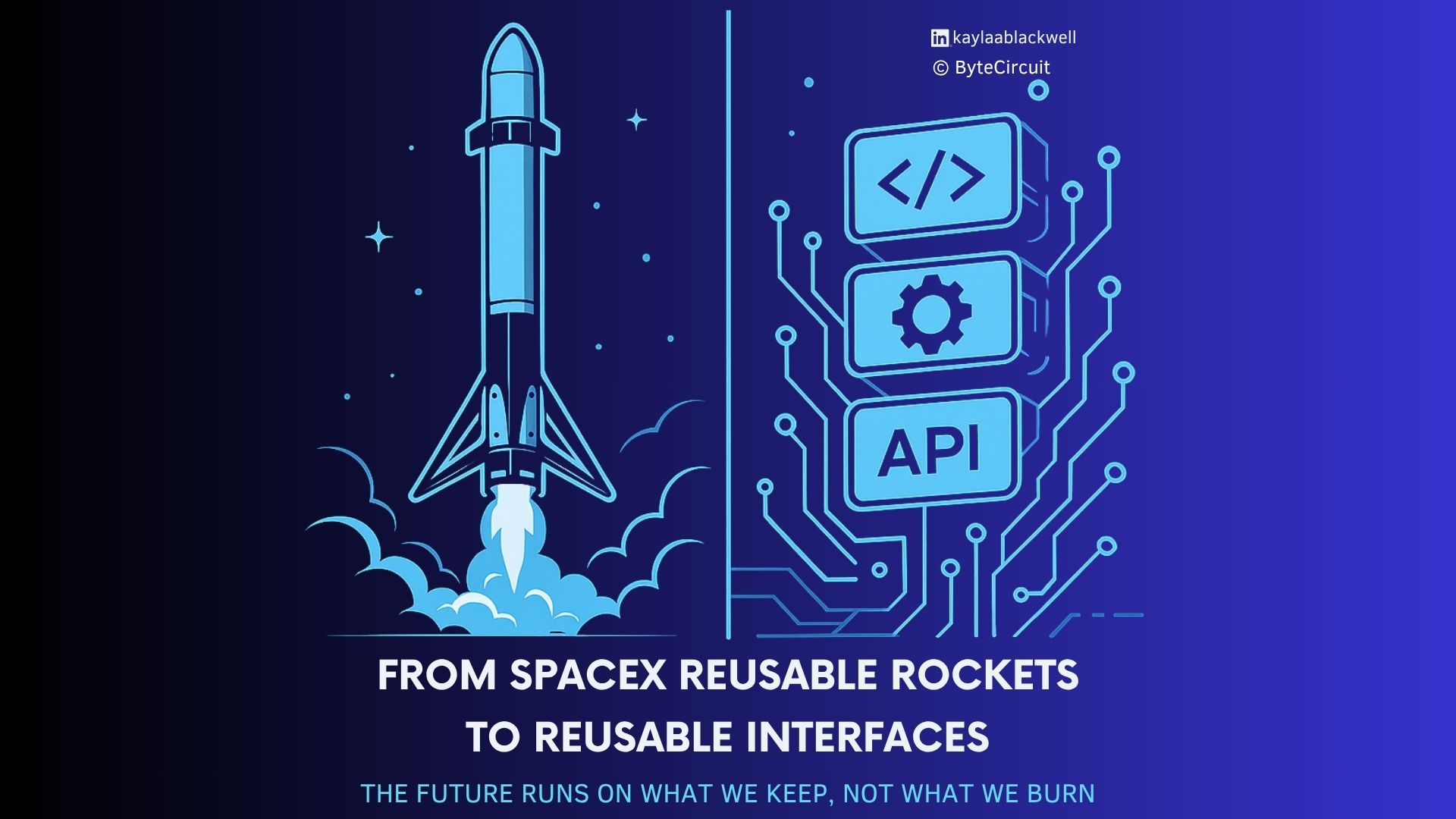
🚀 Once upon a time, rockets were single-use. You lit them, launched them, and let them burn up.
Yeah really…every launch used to mean burning up billions of dollars’ worth of hardware. Engines dumped in the ocean. Boosters destroyed after a single use. Space was literally a throwaway.
Then came reusable rockets.
That changed in 2015, when SpaceX first landed a Falcon 9 booster upright and by 2020, boosters were flying 5 or 6 missions. Now fast forward, since January 2025, one booster has flown 20 successful missions…the most reused in history~a milestone that flipped the economics of space on its head. Each landing cuts the cost per launch dramatically, and every reuse makes space less about spectacle and more about scale.
So moving beyond engineering into economics, the space industry has been forced to rethink what’s possible. They’re no longer debating if reusability works. Now the race is about who can scale it fastest.
Blue Origin is back flying New Shepard after a safety pause. And NASA, alongside ULA, is betting on Vulcan rockets that are partially reusable. NASA even put money on it, betting that reusability could shave launch costs by 30–50% compared to expendables. And it is not only SpaceX. Rocket Lab, Blue Origin, China’s Long March program, everyone is chasing the model.
With reuse, launch cadence goes up, cost comes down, and whole new markets open, from satellite swarms to deep-space science to tourism.
💡The Bigger Picture:
This lesson extends far beyond space exploration.
True innovation is invention, yes, but it is also the ability to reuse, repurpose, and rethink the tools and modular components we already have to create new possibilities.
Industries built on disposables or throwaway models eventually face a reckoning. Whether it is infrastructure, AI models, point-to-point integrations, monolithic applications, legacy data silos, or even workforce talent pipelines…what we keep discarding is often where the next breakthrough is hiding.
Even in enterprise IT, integration platforms show the same truth. Point-to-point builds behave like expendables. Each one-off connection may work initially but then burns time, adding cost and technical debt with every rebuild.
In contrast, MuleSoft’s Anypoint model is built like the reusable rocket of integration, where components like APIs and templates are designed once and reused across the enterprise. What makes MuleSoft especially powerful is its hybrid, agnostic nature as an Integration Platform as a Service (iPaaS), equally capable of bridging cloud IT and on-prem OT systems.
Where many other iPaaS platforms stay locked into cloud-only contexts that fall short in hybrid use cases, MuleSoft outshines by keeping reuse in play across diverse integration portfolios. So, the same principle behind SpaceX’s reusable rockets applies here too…reusability makes scale possible because it lowers cost, saves time, and turns what used to burn out…into assets that keep paying forward. The result: millions saved in project cost and management overhead.
So what should you really be throwing away now? I’ll go first. Let’s start with throwing out old invention assumptions and get on the reusable model train…because otherwise you are bleeding money 💰🤑 and causing grief across your org.
🧩 Follow me, Kaylaa T. Blackwell and subscribe to ByteCircuit for more tech breakdowns that help you connect the dots.