
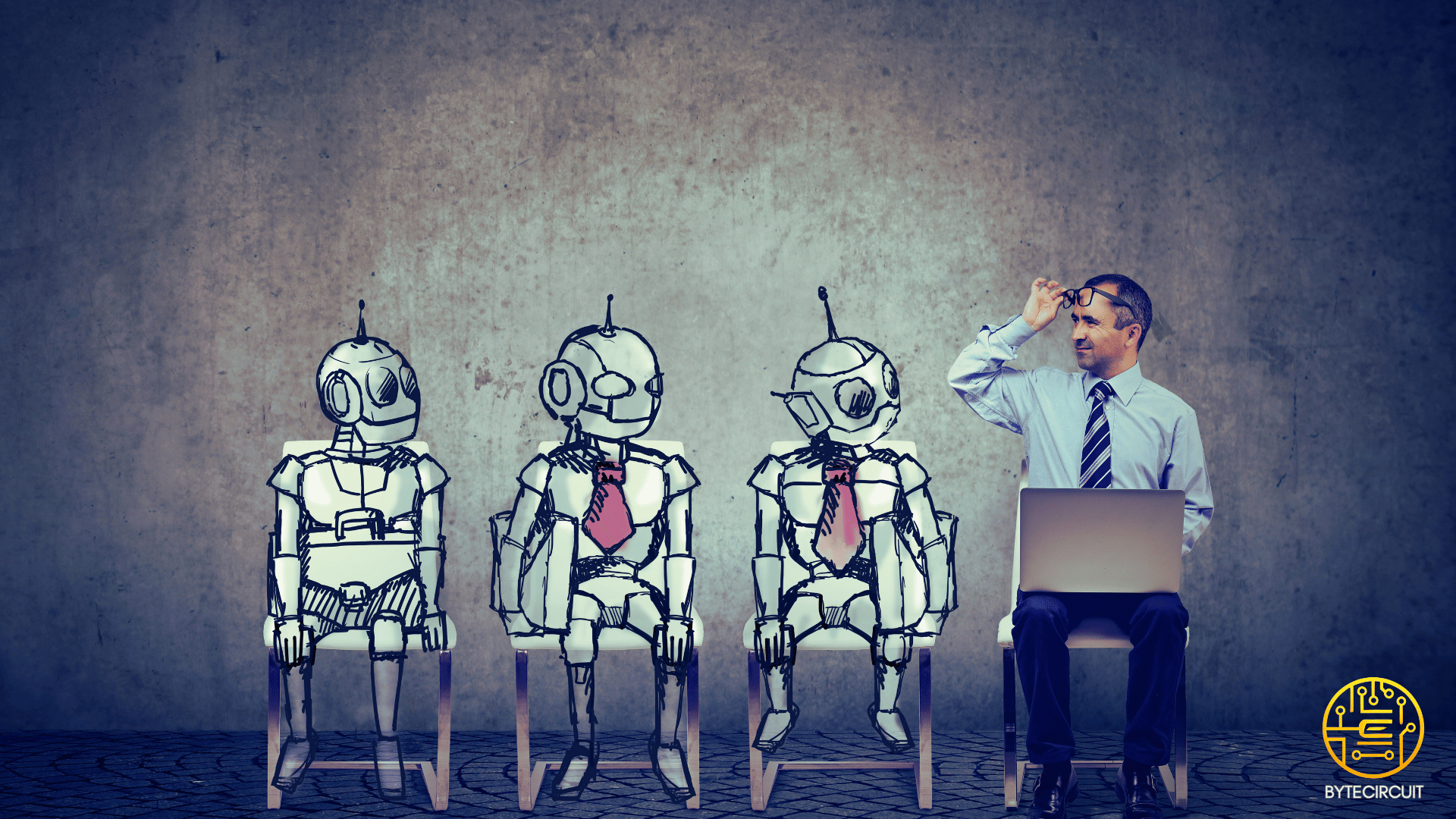
To AI or not to AI…that is the question Shakespeare probably would have asked in our time. Especially when the “AI” turns out to be 700 humans.
So what happens when you peek under the hood of a $1.5B AI company and find hundreds of humans doing the work?
That’s exactly what went down with Builder.ai, a London-based startup that sold the dream: apps generated by AI in record time. No-code, low-code, all-code magic. They promised app creation at lightning speed using its “AI companion,” Natasha. The company soared to unicorn status with many investors flocking it, even securing a $455 million investment from Microsoft.
The Illusion of AI:
But the truth unraveled fast. What looked like neural networks was actually human-powered manual labor…with little to no AI under the hood. Wait…no way? Yes way. Behind the sleek pitch deck and AI buzzwords? An offshore team of 700 engineers in India manually building apps.
Let that sink in: the AI was human all along.
Is this an AI scandal…or a trust breakdown?
The story raises bigger questions about what people expect when a company markets itself as “AI-powered.” It’s one thing to use humans in the loop ethically and transparently. It’s another to claim autonomous AI capabilities…while quietly scaling with manual labor to simulate artificial intelligence.
The Real Problem:
Although the AI layer was largely performative, giving the illusion of autonomy while relying on a labor-intensive backend…this really isn’t just about one company’s deception. It’s about what happens when hype outpaces substance.
The race to appear “AI-first” has some companies skipping transparency and inflating their tech. Meanwhile, the real humans doing the heavy lifting are rendered invisible, undervalued, or misrepresented.
In this case, the neural network wasn’t trained on data…it was trained on paychecks.
Reports from Bloomberg also revealed Builder.ai engaged in financial round-tripping with another startup…artificially inflating sales to keep investor confidence high.
Builder.ai is now dead or bankrupt depending on how you want to slice it, but it kind of amount to about the same for me…anyhow the fallout lives on.
Its collapse is a reminder that great tech isn’t about tricking people into believing in magic. It’s about working smart and building trust, value, and transparency into every layer…whether it’s powered by AI, humans, or both.
So, what can we learn as we stay in the game? Here are 4 takeaways:
- Trust and transparency in AI should be non-negotiable. Customers and investors deserve clarity on what’s truly automated and what’s human-assisted.
- Human-in-the-loop isn’t a flaw. In many AI systems, humans still play a key role…and that’s not a bad thing. But hiding them to look fully autonomous is.
- Ethical AI development matters. AI trust is fragile. One scandal at a time chips away at public confidence and slows the whole industry down.
- Oversight beats optics. Unicorn valuations can’t replace technical validation, responsible scaling, or authentic delivery.
As companies race to adopt generative AI, let this be a wake-up call: if you’re selling AI, make sure it’s not just a person in the server room with a script.
Because at some point…someone’s going to ask what’s under the hood.
And it better not be 700 humans pretending to be Natasha…especially when they’re not being paid a living wage.
Lastly, try as you may to avoid being blinded by the sizzle and remember that we still need to check what’s actually cooking under the hood because that’s where the true wow lives.
P.S. The damage didn’t stop at Builder.ai. Another legit company—Builder.io—got caught in the backlash just for sounding similar. Their CEO, Steve Sewell, had to meme-post a clarification:
“FOR THE LAST TIME GUYS, THIS IS A DIFFERENT COMPANY.”
🧩 Found this insightful?
♻️ Share to help your network connect tech strategy to real-world impact.
👉🏽 Follow Kaylaa T. Blackwell and sign up for ByteCircuit newsletter for ongoing insights into strategic leadership, innovation, and building smarter, scalable systems by design.
📘 P.S. Want a no-fluff entry point into Python? Sign up here for early access and sneak peeks of Kaylaa’s upcoming book:
Crack the Code: Python Byte by Byte—A Playbook to Learning Python Fast Without Fear, Frustration, or Tears.